Giphy by YourLieInAprilI`ll let these cherry blossoms fool me into thinking warm weather is near! The last lab was by far my favorite, although I may have enjoyed it more if it wasn`t so cold and damp! I lost feeling of my fingers the second I stepped out of my warm toasty car! We took a field trip off campus to hiking trails and it was so beautiful the cold was worth it. I drove myself to the hiking trails and my poor Honda Fit, which is low to the ground, was not ready to go off-roading for the brief gravel drive to the gravel pit we`ll call a parking lot.
If you tell already the forest was damp but it also seemed fairly undisturbed aside from the hiking trails carved out of it and the bridges make from fallen trees. The area I was in had fairly large trees and he farther into the forest we got the bigger they got and the thicker the underbrush got. It wasn`t so thick that light couldn`t make its way through, at least during the bare foliage month of winter. The leaves that hadn`t made their way to kiss the forest floor were still clinging onto the bare trees like a silken scarf. It really was a beautiful lab!
This very last Ecology lab was conducted to study tree diversity using a sampling method called line transect. Line transect is a sampling method where a measuring tape is stretched from the edge of the forest to the forest interior, a string is stretched perpendicular to the measuring tape (to the right or left), and the organisms touching this piece of string stretched along the transect are recorded. This was done for our lab every 5 feet. The other type of sampling method is called belt transect. Belt transect is where quadrats are placed at intervals along the measuring tape stretched from the edge of the forest to the interior, the transect, and organisms in each quadrat are counted.Some thing to consider with these two sampling methods is that the line transect method is faster but generates ore error while the belt transect is more arduous but you get more accurate results. Since we were in the forest in the damp, cold weather I was very grateful for using the line transect method! My poor cold fingers were also very happy!
Based on the scatter plot, the tree species diversity as we moved from the edge of the forest to the interior has a slight positive correlation. This pattern has a weak effect on number of tree species as the tree species seem to fit the regression line. It is slightly weak due to the r-squared value of .2662. What this means is that there are more species the farther we moved into the forest. The P value for number of tree species was 0.0062 while the p-value for the line transect was 0.0030. Both of the p-values are below 0.05 so they are statistically significant!
The lab determined that the deeper we go into a forest the more diverse the trees are. As terrestrial environments become increasingly fragmented, tree diversity would likely become homogeneous and diversity would be lost. A great future study would be to determine if the size the habitat is fragmented into has an effect on tree diversity. Different shaped fragmented habitats could be studied such as a rectangular, square, circle, and triangle shaped fragmented forest.
The article by Asian Scientist Newsroom called Gene Flow Halted By Fragmented Forests discusses the maple tree and how habitat fragmentation affected it. The conservation of river floodplain ecosystems is important according to this article because it could maintain the genetic diversity of the maple tree. The fragmented landscapes need to be connected by “corridors” to prevent them from being fragmented. Also, gene flow is important for monitoring endangered species such as Acer miyabei because it is “an important reservoir of genetic diversity and their habitats should be conserved”. The overall findings of the study determine that the newer trees have less genetic diversity due to fragmentation therefore, forests along rivers should be preserved. Research like this is the backbone of conservation efforts and more work needs to be done to preserve these endangered plant species before they are wiped out. According to research conducted by Wilson et al in an article called Habitat Fragmentation and Biodiversity Conservation:Key Findings and Future Challenges, “habitat loss and fragmentation has long been considered the primary cause for biodiversity loss and ecosystem degradation worldwide”.
Next time I take a cold walk in the forest to do lab research I think I`ll be a little bit more grateful that it is still intact and the tree species living in the forest are thriving! Tree diversity is an increasingly important topic in ecology and I hope you will strive to learn more.
Thank you so much for joining my blog and following my crazy adventure through ecology and remember……
Read. Learn. Inspire.
References:
Wilson, M.C., Chen, XY., Corlett, R.T. et al. “Habitat Fragmentation and Biodiversity Conservation:Key Findings and Future Challenges”. Landscape Ecol (2016) 31: 219
This weeks lab was really fun and close to home (not figuratively of course) as I have cats of my own! We used software to track a cats home range and range area. As a lover of cats I found this to be very interesting! I found some interesting home ranges but most cats stuck pretty close to home (figuratively this time)!
The common house cat, or Felis catus, is best described as a domesticated miniature house lion. While these house cats are obviously much smaller than lions they can have a huge impact on their environment. According to study by Medina et al posted to the Wiley Online Library, cats that are introduced to islands “prey on a variety of native species many of which lack evolved defenses against mammalian predators and can suffer severe population declines and even extinction”. This is important to keep in mind as one of the three locations I studied for this lab is an island and another is an island continent. Cats that are allowed out their home can cause a decrease in native bird, mammal, reptile, amphibian, and insect populations. Does your kitty ever bring you “presents” are being outside? While our fluffy little innocent kitty seems tame, they often still have instincts to kill smaller animals during their playtime outside. Have you ever wondered where your precious kitty goes while roaming the streets?
That exact question is the basis of this lab. Cat owners were given the opportunity to use radio telemetry to track their own cats whereabouts by becoming involved in a scientific study called the Cat Tracker Project! This was done by placing a tracking collar on their cats for a certain period of time. This led to some interesting results! Particularly, the discovery of the bus-taking cat! I was working on calculating home range when I discovered a perfectly straight line along the road. Obviously I have discovered the world`s smartest cat…..or maybe a technologically challenged cat owner who accidentally tracked their own whereabouts! It was an interesting find nonetheless and I obviously had to exclude that data from my data set.
For this lab we looked at cat home ranges in the U.S, New Zealand, and Australia. We made estimates about which country would have cats with larger home ranges. I had hypothesized that cats in Australia would have a larger home range. I made this hypothesis because the U.S. is so urbanized I pondered that cats would have less green space to roam in. New Zealand has such extreme geography and high winds so I hypothesized that cats would stick closer to home due to this. I had family that lived in New Zealand so I felt pretty safe making this hypothesis but I’m not as familiar with Australia’s landscape. From what I have seen of Australia, it does not seem as urbanized as the U.S. and the geography seems more hospitable to cats. This was my hypothesis but we`ll have to wait and look at the data to see if I was correct!
The data for this lab was obtained by using Google Earth Pro, MoveBank.org, as well as EarthPoint. As I stated previously, we collected data from the US, New Zealand, and Australia. We recorded 15 cats from every country so 45 cats in total! The cat tracker data was obtained from MoveBank which then directed us to GoogleEarth. The reason MoveBank directed us to GoogleEarth was so that we could visually see the areas the cat roamed in and its landscape as well as to measure the home range. This was done by using a function in GoogleEarth Pro to draw a polygon of the home range of the specific cat. This measurement of home range was then copied and pasted into a program called EarthPoint. EarthPoint then calculated the area of the home range in hectares.This process seems difficult but I promise it was easier than it sounds!
Let`s take a look at the results!
2018 Cat Tracker Data from US, Australia, and New Zealand
Welp, it looks like my hypothesis was completely wrong! If it were opposite day I would be totally right though! I had hypothesized that cats in Australia would have the largest home range but they actually had the smallest home range of all the countries sampled! The US average home range was 6.082 hectares, Australia was 2.81, and New Zealand was 2.82. Taking into consideration the error bars, the US seems to have a large error. Let`s take a look at our p-value from our single factor Anova too see if it statistical significant. According to the single factor Anova, the P-value was 0.4465. If you remember from my previous blogs, a p-value above 0.05 is not significant. The p-value I got was well above 0.05 therefore it is not statistically significant. The number of cats sampled were 45. As I stated in a previous blog, the larger the sample size, the less error. If we sampled more cats or combined our data into a class set, we would have more accurate results with hopefully smaller error bars.
GoogleEarth allowed us to have a close look at the cats home range. These home ranges included flat farm land, rivers, streams, urban areas, mountainous regions, and areas near the beach. The cats location, whether urban or rural, influenced its use of landscape by resource partitioning.The cats seemed to avoid areas heavily congested for the most part. This was more difficult for the cats in the urban areas as they had less available land to avoid heavily trafficked areas. Also, it seemed that the cats avoided water for the most part. Most of the data I collected in New Zealand was from cats right next to the ocean. These cats stayed very close to home and avoided going near the ocean. Abiotic factors affecting a cats home range might be temperature and altitude. Biotic factor affecting a cats home range might be other animals.
Cats would likely be near where bird, mammal, reptile, amphibian, and insect populations are but avoid larger animals. As discussed earlier, a cats’ potential impact on local biodiversity can be huge and very negative. Although, based on the cats’ home ranges in my combined data set, it suggests that the cats mostly stay very close to home so they likely only have a small scale impact within the confines of their home range. This doesn`t sound terrible, but what if an endangered native bird had nested in this cats home range? This native bird may become some owners “present” left at the door and the species could very well become extinct due to this roaming miniature lion. Luckily these cats are domesticated and know they have food waiting at home so they don`t roam too far and this hopefully limits the impact they have on the biodiversity.
If I were planning a city that would be safe for cats and local biodiversity I would most likely build a massive island surrounded by water. I noticed a patter where most of the cats avoided the water. Therefore, forming an island for local wildlife would allow them to enjoy the island while being a safe distance from the cats. The article from the Wiley Online Library that I quoted earlier in this blog, studied the global affect cats have on local biodiversity, particularly on islands. To summarize this article by Medina et al, cats have contributed to the decline or extinction of a plethora of different invertebrate species on islands where they pose a heightened risk to local biodiversity. I chose this study to discuss because it pertains to two of the geographical locations I studied in this lab. It seems so very innocent to let you cat out to roam but it not only makes them a danger to local biodiversity but it also makes them more likely to get hit by a car, contract diseases,or have an unplanned pregnancy which contributes to the overpopulation of pets.
Sometimes science has a practical application to everyday life. As a kid my family used to allow my two cats to roam freely because we weren`t aware of the dangers of this. Dangers not only for my cats well-being but also dangers for the local biodiversity. My cat tragically passed away after coming back inside from roaming the neighborhood for the day. I still don`t know why she passed away but I can`t help but feel it was something that could have been prevented by keeping her strictly indoors. The experience of losing my cat so tragically and suddenly at a young age is what convinced me to become a Veterinarian so that I can help save animals like my poor KC that had passed. There is always a lesson to be learned from science if you search for it!
And with that I will conclude this blog, until next time!
References:
Medina, F. M., Bonnaud, E. , Vidal, E. , Tershy, B. R., Zavaleta, E. S., Josh Donlan, C. , Keitt, B. S., Corre, M. , Horwath, S. V. and Nogales, M. (2011), A global review of the impacts of invasive cats on island endangered vertebrates. Glob Change Biol, 17: 3503-3510.
This weeks blog and associated lab was by far my favorite! I mean who doesn’t love digging through an owl pellet to find tiny little bones and skulls? I felt like I was on the tiniest and most fragile treasure hunt ever!
I’ll discuss a little about what owl pellets are for those that aren’t familiar! Owls are birds of prey that eat a variety of prey including rats, mice, moles, shrews, smaller birds, reptiles, amphibians, and insects. Owls swallow their prey whole or in large pieces so some parts of their prey are not digestible such as the bones, fur, or insect shells. This indigestible portion of their prey gets compacted into an owl pellet which then gets spit up by the owl. Observing the contents of the owl pellet can tell us many things about the particular bird including a guess of how big the bird was as well as what region it’s from due to its prey. Owls play an important role in the food web.
For lab we were presented with an owl pellet and were given a pair of tweezers and a dissection stick to carefully dissect the owl pellet. The pellet contains tiny bones that could easily be broken so care had to be given to not snap the fragile bones. After carefully dissecting through the compact ball of fur and bones we were each tasked with sorting the bones into different types. The different bone types included: skull, jaw bone, scapula, rib bones, pelvic bone, forelimb, hindlimb, and vertebrae. Also the prey needed to be sorted into different categories: rodent, shrew, mole, bird, insect, reptile, or amphibian. The percentage of bone types found and the type of animals found were made into a pie chart.
Down below is my pie chart depicting the percentage of each bone type found and each prey type found.
According to the first pie chart my most commonly found bone was the vertebrae. This was not very surprising as it was what I predicted to be the most common. According to the second pie chart, my owls most common identified prey was rodents. I found two skulls that I was certain were rodent skulls while the other skulls I found were too small to determine the type. I believed I had found a tiny bird skull but it was so small and thin it crumbled into fragments when I tried to remove it from the pellet. Since I could only verify the two skulls as rodent skulls, I guessed that my owl was from the southeast as rodents are common here. While other species were missing from the pellet, if my owl had a lizard skull in its pellet I may have guessed it was from the Midwest.
I found it surprising that I found so many skulls in my pellet. I found approximately 5 skulls. Just to put this into perspective, assume that an owl produces one pellet every day. Therefore, my owl consumed 35 animals in a week, 140 in a month, or 1,830 animals in a year! With those numbers it’s no surprise farmers love to have owls on their property!
Also, it appears my specific owl is from a temperate region as that is typically where it’s prey lives. To confirm this hypothesis as a scientist, other tests would need to be conducted such as an isotope test on the prey found. This could possibly used to tell what vegetation the prey ate and therefore where it originated.
Now let’s look at data from 2017.
This data shows that the most common bone found was the rib. I find it odd that more ribs were found that vertebrae as animals have more vertebrae than ribs. The vertebrae were very difficult to find so I believe this is an error. The most common prey type found in 2017 were rodents. I also found rodents to be the most common prey type found from my pellet. Shrews were the second most common prey found. This gives important insight into there diet preference or availability! Now that we have looked at 2017 data, let’s take a look at 2018.
In 2018 the number of ribs found is still the most abundant bone type found in the pellets. Surprisingly the number of hindlimbs in 2018 was fairly close behind the number of ribs found. Surprisingly, vertebrae was found at a relatively small amount. The most abundant prey found was the rodent again. Although the shrew lost its second place and was replaced by the mole. Maybe this points to moles out-competing shrews in the environment or maybe they are more favorable to the owl.
While the owl pellet shows a large scale food web, spiders also have a good web. The article “Spiders Eat Astronomical Number of Insects” explains that spiders are found virtually around the globe and contribute immensely to the food web. These spiders collectively consume between 400 to 800 millions of tons of prey a year! That’s insane! While spiders in grasslands and forests make up most of this percentage, maybe you’ll think twice when you kill the spider you find in your home. The reason for spiders having a larger impact on the food web in grasslands and forests would be due to less disturbance. Spiders in urban areas live in an environment that is more disturbed therefore they do not consume as much and their eating habits may be altered. If you recall my previous blog about the “country” and “city” bear. Urban spiders are similar to the city bears as their prey source is disturbed by humans therefore their eating habits are different. The spiders contribute the food web by being a predator but also by being prey for larger insects.
Obviously spiders are important to the food web and major ecological problems would arise if they suddenly all died. Insects would suddenly have less predation and the number of bugs would increase astronomically. Yuck, right?! According to peer review source article called Spider Silk Reduces Insect Herbivory, “a few spiders might simultaneously affect many potential prey species with substantial effects on resources”.
Owls, spiders, and other species may seem insignificant on their own but their existence is all part of a bigger scheme. Spiders are no less important than owls and owls are no more important than spiders. Each creature makes its own significant contribution to the world around it. The tiny ants you see crossing the road between the cracks in the cobblestone road play their own role in the food web. This lab has opened my eyes to the individual importance each species plays in the food web.
References:
Rypstra, Ann L., and Buddle, Christopher M. “Spider Silk Reduces Insect Herbivory.” Biology Letters 9 (2012).
Giphy byMatthew ButlerThis weeks topic is leaf adaptation! Before we get in depth with leaf adaptation, do you think leaves on the outside of the tree or the inside of the tree (closer to the trunk) will be larger. While you ponder this question, take into consideration the surface area needed for photosynthesis, optimal size for the amount of sunlight received due to leaf position, water loss through the leaf, and the need to minimize heat gain.
Want to know my hypothesis?
Of course you do! At the beginning of this lab I hypothesized that the leaves on the inside would be bigger than the leaves on the outside. My reason for this was that the larger surface area of the inside leaves would allow them to capture more sunlight in the shady region of the tree in which they grow. Do you think this hypothesis is sound? We shall see after I discuss the lab results!
This lab was conducted by looking at Red Oak leaves and White Oak leaves. I`m sure the majority of my readers don`t know what a red or white oak leaf looks like so I will kindly show you what they look like.
This beauty is none other than a leaf from a Red Oak tree.
Looking at them side by side makes the two pretty easy to distinguish between each other. I am certainly not a dendrologist so I had a tough time finding an oak tree to obtain my leaf samples from for lab. My dendrophile father would be so disappointed in me! Every time we went to a state park I was under the impression we were there to identify every tree species in the entire park. Every. Single. Tree. I suppose the love of trees never quite stuck!
Luckily, despite my tree identification shortcomings, I was able to identify a Red Oak tree and obtained ten leaves from the inside of the tree as well as ten leaves from the outside of the tree. In another stroke of good fortune, I had stumbled upon a small Red Oak tree! Therefore, no climbing was required to obtain my leaf samples. I definitely was ready to show off my tree climbing skills that I had mastered as a child. I`m not trying to brag or anything but my childhood nickname may or may not have been “monkey” for the amount of time I spent up a tree!
Once I obtained these leaf samples it was straight to the lab for some extremely scientific (and mundane) measuring. Each leaf was placed on a 1cmX1cm grid, traced, and the surface area was determined. This was done for all twenty leaves. All squares that were more than half covered by the leaf surface were counted. I had the pleasure of making a new friendship with an extremely disheveled and disoriented insect that had rudely been stolen from his home. I let him have all the leaves after they were measured so I think we made up!
It was important that these leaves came from the same tree to minimize errors. Also, it was important that we not mix up the two Ziploc bags containing the leaves from the inside and outside of the tree. Therefore labeling the baggies was essential. This is something that your lovely blogger forgot to do. Shhhhhh. Luckily I caught my mistake and all data was corrected. This is just an example of how a silly mistake can cause errors or a false outcome for an experiment. Being a scientist means mistakes will be made but it also means that you will learn from these mistakes.
Without further ado, lets look at my results!
As you can see, the outer leaf surface area is larger than the inner leaf surface area for Red Oak leaves. Also after conducting a T-test, the P-value was determined to be 0.15. If you remember from my previous blogs, anything above a P-value of 0.5 is not statistically significant. My hypothesis has been proven to be false. Why might this be so? I`ll discuss the reason after we look at the class wide data set for Red Oak leaves and the White oak leaves to see if the same trend holds true. Who knows, maybe I chose a janky tree.
Next we will look at the class wide data results for Red Oak leaves!
The class wide data set consisted of 149 samples. If you recall from one of my previous blogs, the larger the sample size the more correct your p-value will be. The p-value I obtained with my data set of 10 leaves per leaf position was 0.15. This means that the leaf size according to the position is not statistically significant according to this small sample size. The class data P-value was 0.82. This proves that the data I had was correct and the leaf size according to leaf position is not statistically significant. This is true at least in regards to Red Oak Leaves. Let`s take a look at White Oak leaves to see if this pattern holds true.
As you can see, there is an obvious difference between the outer and inner leaf surface area. The P-value for the white Oak tree is 0.0000009. The is well below the 0.05 p-value that makes data significant. This means that the surface area and leaf position are significant for the White Oak tree.
You may be thinking that understanding tree adaptation is pointless and has no ecological significance. Understanding tree adaptation is a very important topic in ecology with the current situation of global warming. I`m sure you are very well aware that tress make oxygen. We need oxygen to survive. Therefore, understanding how trees adapt is very important to keeping our trees healthy. Now why should we be interested in understanding within-individual variation in trees. First of all, what is within-individual variation? According to Oxford, within-individual variation, or demographic stochasticity, “results from chance independent events of individual mortality and reproduction, causing random fluctuations in population growth rate, primarily in small population”. Ecologists might be interested in understanding within-individual variation in trees to determine what “chance independent events” act on the trees and how exactly they effect the trees leaf adaption. Crop scientists or farmers would be interested in how much variation there is in leaf surface area to quantify how well crops are doing during a particular growing season.
Josh Puzey, assistant professor of biology at William &Mary, co-authored a study that links natural selection and genetic variation using seep monkey wildflowers growing in the Iron Mountain region of Oregon. His work was discussed in an article called In ‘Science’: Wildflowers combat climate change with diversity by Adrienne Berard. According to Puzey, genetic variation persists in these wildflowers because “the flowers had evolved over time to maintain genetic variation in flower size, because it helped them survive”. The team collected and analyzed seeds taken from 187 different seep monkey wildflowers. From these seeds, the genome was sequenced and they were “able to identify specific regions in the genome that control flowering time and flower size. They found that the same region controls both traits”. The region in which these wildflowers grow varies in climate fluctuation. The genetic diversity in the seep monkey wildflowers makes them able to adapt to long term climate change. While this is a good thing for this particular plant species, it could have a negative affect on the pollinators as well as other wildflowers. What this basically means is that studying one plant species that can adapt to climate change does not take into account for other plants or animals in the environment. One small change in a community can effect all other things in the community. Remember that everything in ecology is connected!
Until next time!
Works Cited:
Lande, Russell, Engen, Steinar, and Saether, Bernt-Erik. “Demographic and Environmental Stochasticity”. Oxford Scholarship Online (2010).
This week we are going to discuss optimal foraging and what it is as well as how to determine if an individual is an optimal forager.
An optimal forager is one that forages in a manner that will maximize the individuals net energy gain. Now what is this ‘net energy gain’? Well net energy gain is the difference between the energy gained by an individual and the energy spent by that individual. As you can imagine, survival in the wild depends on if an individual is an optimal forager. An individual must make the decision of when to leave a patch of food source in search of another. The individual can decide to leave when food is becoming scarce in the patch or deplete all the food resources in this patch before leaving in search of another. The choice of when to leave is a factor in determining if an individual is an optimal forager.
While this is important to animals in the wild, humans (for the most part) are no longer dependent on hunting and gathering. Thanks grocery stores! Of course there are still places in the world where people are semi or solely dependent on hunting and gathering which is why it is important for ecologists to study. While I was in Africa I discovered that one of the purposes of the township dogs was to assist in hunting. The men in the village would go out and track down antelope with their dogs. Yes, these men took down the same prey that LIONS take down. I can say from experience that most of these antelope species are strong and massive! Obviously humans cannot out run these fast creatures so that`s what they used their dogs for. These men had to decide where to hunt and when to move to the next hunting spot. If they do this in a way to maximize net energy gain then they are optimal foragers!
You maybe asking yourself, how do we determine if an individual is an optimal forager. Well you have the mind of an ecologist you ask those kind of questions! I did an experiment that tested predictions of an optimal foraging model. The experiment was set up outside because, of course, that is where foraging takes place after all. There were buckets filled with rice that were equidistantly spaced. These buckets represented different patches of food sources. Each rice bucket contained a different amount of beans to represent the differing amount of food source in each patch. This set-up mimics the natural setting in the wild where food source is often distributed in high density and low density amounts in different patches. If you can remember from my previous blog, we learned about different dispersal patterns of plants. We learned about uniform, random, and clumped dispersal patterns. The Dallisgrass followed the clumped dispersal pattern. If the buckets in this lab represented Dallisgrass then it would follow the uniform dispersal pattern! See how everything connects in ecology?
Imagine you are a little kid on Easter morning going Easter egg hunting with 20 other kids. You want to get the most amount of eggs without expending too much energy. This means that you must decide when to leave a ‘patch’ when the eggs become more scarce. This is exactly how the rice bucket and bean experiment went! The timer started when I started moving towards my first bucket. I foraged through the rice and picked out my first bean as the time of this ‘capture’ was recorded. I plopped this bean in the cup in my hand and swirled it three times. This was done to represent the consumption time of a real forager. After the third swirl I went to forage in the bucket for my second bean, time of capture was recorded, I swirled three times, and then foraged again for my third bean. Forage, find, record, swirl. Lather, rinse, repeat. This was done until I made the decision as a forager when to move to the next patch. This decision was based off when my food source was becoming more scarce and taking longer to find. The time was recorded from when I first began to search for my first patch until I left the third patch. Each captured bean was recorded as well when I arrived at each patch and left each patch. This was repeated for three separate buckets and then they were graphed to determine if I was an optimal forager.
Before we look at these graphs I will explain what the Marginal Value Theorem states. A forager should capture more prey in patches with higher density and they should spend more time in these high density patches compared to low density patches. Also, a forager should catch more prey per unit time in dense prey patches than in low density patches. Finally, a forager should leave the patch when the intake rate has declined below the average rate. This is called the giving-up time or G.U.T. Here is one last explanation of the graphs before we analyze them. An imaginary line goes through the origin which represents the ratio of time and cumulative energy. The steeper the slope of this line means the more the net energy gain will be.
Let`s take a look at these graphs and determine if I am an optimal forager!
This scatter-plot has a polynomial trend line and depicts patch density on the x-axis and the number of beans found in each patch n the y-axis. Simply stated, the patch density is how many beans were contained in each of the three buckets, or patches, that I foraged from. The number of beans found is the amount of beans that I foraged from each bucket before leaving in search of another. As you can see I follow the prediction from the Marginal Value Theorem that states a forager should capture more prey in patches with higher density. As you can see the patches I chose had a density of 20, 40, and 80 beans. I foraged 3/20 beans, 16/40 beans, and 28/80 beans. So I did great for this prediction of the Marginal Value Theorem! Let`s see how I did with the others!
This graph has patch density as the x-axis and time spent in each patch as the y-axis. This graph shows that I spent more time in the higher density patch than the lower density patch. This follows the prediction for the Marginal Value Theorem that states a forager should spend more time in these high density patches compared to low density patches. My graph shows that I followed this prediction. Yay, two for two so far! Let`s check out this next graph of capture rate as a function of patch density.
This scatter-plot shows patch density as the x-axis and capture rate as the y-axis. Lets look back at the prediction of the Marginal Value Theorem to see if I follow it. The prediction states that a forager should catch more prey per unit time in dense prey patches than in low density patches.As you can see I left the patch with 80 beans in it too quickly and should have stayed longer to optimize my foraging. I guess I`m not as great of a forager as I thought I was! Let`s check out the next graph to see if I follow the prediction from the Marginal Value Theorem.
Finally we have the last graph showing if I follow the Prediction of the Marginal Value Theorem. If you recall from earlier, the last prediction was: a forager should leave the patch when the intake rate has declined below the average rate. This is called the giving-up time or G.U.T. Unfortunately this graph shows that I did a poor job choosing when to leave the patch. I left the low density patch after 5 seconds of finding my last prey. In the mid-density patch my GUT was 6 seconds after finding my last prey. My GUT in the high density patch was 1 second. The last graph showed I left the high density patch too soon and this also proves that. The GUT versus patch density scatter plot relates directly to the Marginal Value Theorem. The data suggests that this theorem may not apply to the behavior of humans in this experiment. Human foraging and animal foraging just cannot be compared because we have different cognitive function and instincts. This may be why this graph did not follow the Marginal Value Theorem. Lets check out our final graph!
This scatter plot shows cumulative number of prey captured as a function of cumulative time elapsed. To be an optimal forager I would need my lines to be somewhat curved (remember that imaginary line we talked about!). Looking at this graph you can see that I did fairly well overall because my lines all have a decent curve to them. In patch 3 I left too soon which you can tell due to the lack of a great curve. I did very good in patch 2 since it has a very good curve. I also left at an optimal time in patch 2.
While this experiment was conducted on humans, animals forage daily. I`m sure you noticed squirrels running around with nuts in their mouth or possibly a bird carrying worms to its young. Animals with a set territory may not forage in this way. A study was conducted on bears in the Sierra Nevada and was analyzed in an article titled, “Fast-Food Nation is taking its toll on Bears, too” by Henry Fountain. It discusses how bears near urban areas have a different foraging pattern than bears who stuck to nature. These bears were termed ‘city bears’ and ‘country bears’. The country bears worked harder to get their food and foraged for longer while the city bears got more food faster. The bear changed its behavior in order to optimize its foraging. Also, the city bears sleeping patterns were altered to avoid humans due to this change in foraging pattern. Wildlife-human contact can be dangerous so bear-proof trash containers may be an answer to this risk. Foraging strategies are important to study in ecology because it gives us some insight into the animals around us. Learning more about foraging patterns can also help us learn more about related things such as migration patterns, food preference, etc.! Again, everything is ecology is connected. Foraging is an important topic of ecological study and one that has been discussed in the Journal of Mammalogy in the article The Ecology of Fear: Optimal Foraging, Game Theory, and Tropic Interaction. This article states that “viewing predator-prey systems as foraging games of stealth and fear
offers refreshing avenues for research and management”. Therefore, studying foraging is important and can offer insight into different ecological studies!
Until next time!
References:
Joel S. Brown, John W. Laundré, Mahesh Gurung; The Ecology of Fear: Optimal Foraging, Game Theory, and Trophic Interactions, Journal of Mammalogy, Volume 80, Issue 2, 20 May 1999, Pages 385–399
Giphy by MercurieuxWelcome back to this weeks edition of Eccentric Ecology! If you haven`t already you should check out my last blog, Plant Dispersion: Part 1. Part 1 will give you some insight into this topics well as introduce the different types of plant dispersion. As you can see we will be discussing plant dispersion again this week. If you remember from last week, plant dispersion is the spacing of individual plants with respect to one another. Last week we worked with Dallisgrass.
Dallisgrass is a perennial weedy grass that is non-native to the United States and is also invasive in many regions. It has invaded the southern region of the United States and due to its difficulty in being eradicated, because of its perennial nature and rhizomes, it seems it is here to stay. That is why understanding more about Dallisgrass is so important. Understanding the dispersion pattern of this plant will help us understand more about it. Aside from dispersion, two other properties determine spatial structure of a population, which are distribution and density. Last week I predicted that the Dallisgrass would follow the clumped population dispersion type.
As you can recall from last week there are three different population dispersion types: clumped, random, and uniform. If dallisgrass followed the uniform dispersion pattern it would be seen in uniform numbers across all 15 quadrats sampled. We had a varied number of dallisgrass found in each quadrat so I ruled this dispersion type out. If dallisgrass followed a random dispersion pattern then each quadrat would have a random number of dallisgrass found. We discovered that many quadrats sampled had zero dalligrass found. This points to clumped dispersion as the plants clump around a certain nutrient source since resources are limited in this population dispersion type. After collecting the data from our experiment last week, the data was analyzed and examined for dispersion population patterns using the Poisson distribution formula and the Chi-square test.
The random population dispersion pattern was assumed to be the null hypothesis. If you remember from my previous blogs, the null hypothesis is a statistical test that states that there is no significant difference between specified populations. We determine the chi-squared value which helped us to determine if our data is a true null hypothesis or not. The null hypothesis states that there is no statistical significance between two variables. The P value is what we are concerned with as it tells us if there is a statistical difference between data sets. If the P value is less than 0.05 then the null hypothesis can be rejected. If the dallisgrass were to follow a random population dispersion pattern then it would look like this on a graph. Random population dispersion patterns are rare in nature and are caused by neutral interaction between individuals and the environment. Of course, this means that and individual has equal opportunity to occur in a particular area. Therefore, if the dallisgrass were following the random dispersion population pattern, it would look similar to this expected graph. The Poisson distribution formula was used to test the hypothesis and determine how many individuals wold be expected in different quadrats assuming the distribution was random. Also, a chi-square analysis was conducted to determine significance between the expected (random population dispersion pattern) and the observed dispersion.
Next lets look at the observed numbers found in each quadrat graphed.
As you can see, the bars are neither spread evenly on the graph nor are they spread randomly. They are visually clumped which is further proof to support the prediction last week that dallisgrass follows the clumped pattern. Therefore, based on our group analysis, it can be determined that the dallisgrass does follow a clumped population dispersion pattern just by looking at this graph. If I expect the null hypothesis to be rejected then I should expect a P-value over 0.05. The degree of freedom is 53. The chi-squared value was 2.4+16 which is much larger than the corresponding value on the chi-square table which was 24.996. Therefore, the null hypothesis a can be rejected. Now that we know the null hypothesis can be rejected for my groups data, lets look at data for all groups in 2018.
As you can tell, this graph is similar to the random population dispersion pattern graph for my group. This graph has an extreme outlier though which is why it has such a long tail.
This graph of the observed values also shows the extreme outlier that one group got.With this graph depicting a larger sample size, it is easier to see the clumped dispersion shown int the graph. The degree of freedom is 264. The chi-squared value is 1.3+43 which is larger the the corresponding value on the chi-square table which is 124.342. Therefore, the null hypothesis can be rejected.
So now that we have determined statistically that the dallisgrass follows the clumped dispersion population pattern, what structure of the environment causes this? Well we know that clumped dispersion models have limited resources. The reason the dalligrass is clumped could be due to soil salinity. Dallisgrass is adapted to areas of high salinity. Since resources are limited other plants may be taking up this plants preferred niche so the dallisgrass lives in these pockets of high salinity soil since it is an empty niche. Invasive species have an advantage because they can adapt to conditions that native plants cannot. This is a concept of invasive species that is controversial to ecologist since some argue that empty niches do not exist. Arguing that they do, empty niches could allow for coexistence between non-native and native species. According to an article in Ecological Modelling, “in all cases patchy dispersal allowed the long-term coexistence of a variety of species”. Also, sunlight might be a reason that dallisgrass is clumped. We noticed that the dallisgrass in the sunlight was all dead. Therefore, if the dallisgrass prefers shade, it will be clumped together in shaded regions. These structures of the environment could affect the pattern of distribution in the dallisgrass population.
Aside from dispersion, two other properties determine spatial structure of a population, which are distribution and density. Dallisgrass produces an abundance of seeds which are then transported by animals, humans, water, lawn mowers, etc. Seed dispersal in land mammals is disussed in the science communication article, “African elephants may transport sees farther than any other land animal”. The elephants eat the seed containing fruit and it is transported by the elephants hundreds of kilometers. These nomadic land mammals travel great distances and as the fruit is being digested it is simultaneously being carried large distances away. Unlike our study of stationary plants, these elephants move which is how the population pattern of the study may differ compared to Dallisgrass.
It is important to understand population dispersion patterns and how they differ in plats and animals. I hope this blog gave you a better understanding of differentiating between the different dispersion patterns.
Giphy by Botanical-fantasiesWelcome back to my blog! We are going to discuss plant dispersion as well as the three different patterns of dispersion. Plant dispersion is the spacing of individual plants with respect to one another. In this lab we focused on the dispersion of Paspalum dilatatum, also know by its common name Dallisgrass. Dallisgrass is a home owners worst nightmare for their lawn. It is a grassy weed that is known to take over beautiful healthy lawns. Here is this criminal plants mugshot!
Photo by Wikimedia
Photo by Wikimedia
Dallisgrass is also commonly called Dallas Grass or sticky heads for the sticky bits at the end of the plant. Dallisgrass is a very common grassy weed that I`m sure most people have seen but do not know its name. Before this lab I was definitely one of those people. I remember plopping the sticky end of the plant in my mouth as a child to pretend I was a cowboy! Who knew I`d be conducting a lab on this species of plant as these years later!
According to this peer reviewed journal from the Texas Farmer Collection, Dallisgrass is a “perennial bunch grass introduced into the United States from South America”. This plant is non-native to the U.S. and it is an invasive species in most places it exists. A plant can be non-native while not being invasive. It is classified as invasive when it begins to out compete the native plants and cause them to decrease in numbers. This weed is problematic in most places and cause humans many problems while cows absolutely love to eat it. My grandfather-in-law owns a 100+ acre cattle farm and he detests this plant. The seed heads of this plant can contain a fungus certain times of the year which can make cattle very sick if ingested.
Now that you are more familiar with this plant let me explain what we did for our lab. The lab focused on detecting patterns of dispersion in a specific, local site. My partners and I trecked out to the Confederate Cemetery near campus and began conducting our study. Simply stated, we went out to the cemetery and chose a random number of steps to take in a specific direction. Once we completed all steps we laid down a makeshift 1 m^2 quadrat that was make from PVC pipe and counted the abundance of dallisgrass within this quadrat. We only counted the live dallisgrass as well as only the plants that were more than 50% within the quadrat. To keep the sample sites random, we also had a piece of paper with random numbers on it. Once we finished counting the dallisgrass in one quadrat, one partner would close their eyes and point randomly on this paper. Whatever number they pointed to we would take that number of steps, lay down the quadrat, and count dallisgrass. Lather, Rinse, Repeat! We did this 15 times and the results were very interesting!
It is interesting that we got zero dallisgrass in many areas yet we got as many as 53 in other areas. We noticed a pattern of dried, dead dallisgrass in sunny patches while dallisgrass seemed to thrive in the shade. The pattern seen in this table can be used to predict what pattern of dispersal the Dallisgrass follows. We also calculated the density to be 12.066. We got this number by adding up all numbers of dallisgrass found and then dividing by the number of quadrats. The density tells us that we found on average, 12.066 plants in each quadrat.
There are three patterns of dispersal: Random, Clumped, and Uniform.
The name of each type of dispersion is very self explanatory. The uniform dispersion is also known as regular dispersion. It is very even, or uniform, throughout a population. Uniform dispersion may result from intraspecific interactions, interactions between the same species for limited resources. Competition for root space is a good example of uniform dispersion as plants competing for root space. Random dispersal is very rare in a population. It is defined as when the position of each individual occurs independently from others. A controversial example of this is a dandelion. Some scientists argue that this isn`t an example of random dispersal .That proves how rare it really is in a population as there aren`t many examples of it. Finally we have clumped dispersal. Clumped dispersal can be described as dense aggregations of individuals. Clumped dispersal is due to limited resources and can also be due to urbanization. Which type of dispersal do you think the dallisgrass follows?
Based on the table of the quadrats, I believe the dallisgrass follows the clumped dispersion. This would explain why some sites had zero dallisgrass and others had 53 dallisgrass present. Also, there could be the presence of limited resources which could be why we found so much dead dallisgrass in some areas. According to an article published in Ecological Modeling, “clumped (patchy) dispersal of species is a widespread phenomenon in nature, however, its relevance for structuring communities and maintaining biodiversity is still a matter of debate”. This topic will be interesting to delve into next week! If the dallisgrass followed the uniform dispersal then each quadrant would have similar numbers of dallisgrass found. The dallisgrass could be clumped due to various different reasons such as shade amount, water availability, soil nutrients, or temperature.
Of course we must discuses possible errors in the experiment. There may be an error in the data as some other groups may count the dallisgrass with a different method than other groups. Other groups may have counted the dead dallisgrass while my group did not. These will be great things to discuss next week when looking at all the data.
This little plant is very interesting to study! Tune in next week to read more about this interesting little plant and to see what data the rest of the class got. This study has been ongoing for many years so looked back at the data collected will be very interesting. Chattanooga experienced a drought several years ago so the data from that year will be neat to ponder. We will see if my prediction of clumped dispersal for the Dallisgrass is accurate when considering others data.
I hope you enjoyed this blog about plant dispersal and plan to tune in next week for a more in depth discussion.
~Until next time~
Read. Learn. Inspire.
Works Cited:
Holt, Ethan C. “Dallisgrass.” Texas FARMER Collection(1956).
Rotthoff, Michael, Johst, Karin, Guff, Julian, Wissel, Christian. “Clumped Dispersal and Species Coexistence.” Ecological Modeling 198.2 (2006): 247-254
This week we are going to talk about thermoregulation. I’m sure you all remember that high school textbook example depicting a lizard basking in the sun using heat from the sun to warm up. Just to refresh your memory, thermoregulation as defined by Merriam-Webster is the maintenance or regulation of temperature. Different animals thermoregulate in different ways which we will discuss in this blog.
I’ll begin this blog by discussing an experiment about thermoregulation that a partner and I recently conducted in lab. The objective for this experiment was to investigate the difference in heating and cooling factors for endotherms and ectotherms. Our hypothesis was that endotherms take longer to cool down while ectotherms cool quicker. We designed the study to answer the study question by making two similarly shaped “animals” out of aluminum to represent the endotherm and the ectotherm.
If you are a bit rusty on your terminology I’ll refresh your memory! Endotherms, such as mammals, maintain a constant internal body temperature despite external conditions. Ectotherms, such as reptiles, have an internal body temperature that is dependent on external conditions. An advantage to being an endotherm is that they can survive in extreme temperatures while ectotherms cannot. Endotherms do expend more energy maintaining this constant temperature though. Ectotherms conserve more energy by relying on their environment for internal temperature but as mentioned before, relying on the environment leaves them at a disadvantage compared to endotherms. According to an article posted in Oecologia, “the cost of producing offspring represents only 2%–6% of the total metabolizable energy of an endotherm, a fish has to spend 35%, a nematode nearly everything it has for this purpose”. Therefore, since energy expenditure due to producing offspring can be related to the amount of energy left after thermoregulatory response, studying the heating and cooling factors for endotherms and ectotherms is very interesting for scientists and could be grounds for fantastic scientific discoveries.
Now to discuss the experiment! This experiment involved creating a model organism using aluminum foil and cotton balls, which were only for the endotherm animal. My partner and I decided our model animals would be a small similarly sized endotherm and ectotherm. We then made our cylinder shaped models. You guessed it! Of course the difference between the models was that our endotherm cylinder model was stuffed with cotton balls to replicate the insulation of endotherms. Here is a picture of our test cube, ectotherm, and endotherm models.
Test cube (left), ectotherm (middle), endotherm (right)
Yes , I know these very scientific thermoregulatory test animals look like burritos! I assure you this was a very scientific and well thought out experiment not simply a picture of my lunch! Each of these models were placed the same distance from the heat lamp and the temperature was tracked with a thermometer every minute until it plateaued. We then switched off the heat lamp and tracked the cooling temperature until it stopped changing. The results were interesting and significant in determining the difference in heating and cooling factors for endotherms and ectotherms.
I`ll explain the graph a little bit first, the red dots are the heating curve while the blue dots are the cooling curve. We used a test cube as a control to determine how to conduct the study as well as how to track and graph the temperature. From this we chose to compare endotherms to ectotherms because we believed it would be easily testable in the lab and would show results that could be used in real life comparisons of endotherms and ectotherms. This test cube was roughly the size of a matchbox with a hollow center and was used as the standardization of thermoregulation. The heating curve for the test box was in between that of the ectotherm and endotherm.
After the test box, we conducted our study of the ectotherm. We first took the temperature of the study animal before turning on the lamp, this was recorded as temperature 0. Then we tracked the heating temperature every minute for ten minutes to create the heating curve. We turned the lamp off then again tracked the temperature every minute for ten minutes for the cooling curve. I then graphed the data in the above depicted scatter plot. Looking at the graph it is interesting to see that the line of best fit is very strong meaning that the time and temperature are very closely related. The animal that most closely resembles my study animal for the ectotherm would be an iguana. An iguana is similar to the ectotherm study animal in body shape as well as in dependence on external environment for temperature maintenance. The inside of this test animal was left empty which allowed the heat to leave quickly and not stay retained internally. Ectotherms do not have much insulation so this was done to simulate the body of an ectotherm. Therefore, the test animal, like an iguana, is dependent on the environment to maintain internal temperature.
Lastly, we tested the heating and cooling curve for our endotherm. The animal that most closely resembles my study animal for the endotherm would be a rat. The study animal was similar in size and shape. Also, the cotton balls stuffed inside the aluminium cylinder was meant to replicate the insulatory nature of mammals. This allows them to retain heat and cool slower than ectotherms. An error we discovered after graphing the data for the endotherm was that our temperature 0, or initial temperature, was skewed. The general room temperature had been 23-24 Celsius but for some reason our endotherm starting temperature was 27 Celsius. We believe this error was human induced due to touching the end of the thermometer prior to measuring the temperature of the study animal thus causing an incorrect temperature to be displayed. This small beginning error caused a major error overall in our graphed scatter plot. Of course you must make mistakes in order to learn from them!
The results from the graph prove our hypothesis that endotherms will cool slower while ectotherms will cool faster. As you can see, the slop for the ectotherm cooling curve is greater than the slope for the endotherm cooling curve. This means that the ectotherm cooling curve is steeper than the endotherm cooling curve, thus ectotherms cool faster than endotherms. I was not surprised with these results as it was predicted. The error with the endotherm graph was a surprise though but it`s not science if you don`t make mistakes!
According to a study from the University of Lincoln, it was discovered that monkeys “that had more social partners would form larger huddles at night than those animals with fewer social partners, allowing them to save more energy for growth and reproduction“. Maybe that`s why the monkeys broke into my room while I was living in South Africa for a month! I suppose they could have been looking for a cuddle buddy to help them conserve energy and increase reproductive fitness. I still believe the stingy little thieves were simply after my biscuits! Bringing it back to one of the original points I talked about in this blog post, endotherms have a disadvantage to ectotherms due to the requirement for more energy to maintain a constant body temperature. The monkeys staying close together helps them reserve energy that could be used for other things. This energy used to keep a constant body temperature is energy not spent on other things such as hunting, survival, or reproducing. Therefore, this social thermoregulation could increase reproductive success in monkeys since the energy usually spent on maintaining constant can now be spent in other areas. In simpler terms that would be better understood by a middle school student would be to describe the monkeys total energy as an allowance. Say you have to pay all of your allowance to cover your share of an activity you and your friends want to do this weekend. Guess what? That was all your spending money for this allowance period so you have no more money to do other things. That would be an example of the monkeys not exhibiting social thermoregulation. Now lets consider a social thermoregulation example. Say the activity you and your friends want to do offers a group discount. Yay, you saved money (energy)! Now you have extra money to do other things with. Hooray for social thermoregulation!
Endotherms also adjust what they eat to acclimate to the high cost of energy due to regulating temperature in harsh winter conditions. According to the University of Sydney, “monkeys living in the wild in cold snowy habitats adjust their nutrient intake to match the elevated costs of thermoregulation”. Again, endotherms require a lot of energy to maintain a constant temperature normally but especially so in extreme climactic conditions. This study from the University of Sydney was able to determine that monkeys ate two times as much in the winter compared to what they ate in the spring in order to keep up with energy demands. Also, this increases intake of food in the winter came mostly from carbohydrates and fats. The paths that endotherms can find a way around the cold weather induced energy deficit is extraordinary.
Alright, that`s it for today folks! Learning about thermoregulation is important and it helps to understand the behavior of different species as well as why they might eat certain foods. Also, if you somehow get lost in the winter in Africa you now know that to survive you must find some monkeys to socially thermoregulate with! (For legal reasons you did not hear that from me)
University of Lincoln. “Huddling for survival: monkeys with more social partners can winter better.” ScienceDaily. ScienceDaily, 30 May 2018.
University of Sydney. “Monkeys eat fats and carbs to keep warm: Golden snub-nosed monkeys adjust nutrient intake in winter.” ScienceDaily. ScienceDaily, 8 June 2018.
Weiser, W. “A new look at energy conversion in ectothermic and endothermic animals”. Oecologia 66 (1985): 506-510.
Giphy by Disney PixarYou guessed it! Today we’ll be continuing our talk about urban ecology, specifically how urbanization affects ant food choice. If you haven’t already, you should check out my previous post, Urban Ecology: Ants and Rats and Opossums, Oh My!, before continuing.
I know, I know, you must be antsy for me to continue!
So this blog post is going to explain the results from the experiment I briefly mentioned last week. To make sure we are on the same page I’ll explain in brief detail what the experiment was, what the goal was, what hypotheses were tested, what variables were measured as well as how they were measured, and what units were measured.
I can still remember being so excited Christmas morning when I unwrapped my present to find an ant farm! Boy did I love to sit there and watch my ants tunnel through the sand and race over the ant-sized race track within the plastic ant farm. My favorite part about my ant farm was probably sprinkling in their food and watching their tiny bodies carry the food home. Who knew I would be partaking in an ecological study of ant food choice?
Before I delve into the details I’d like to discuss the extent of data collected for this experiment. This experiment was conducted over the course of the past three years by 15 different groups. Each of these 15 different groups selected two green areas, as well as two impervious surfaces to set up ant baits. Impervious surface is surface that cannot be penetrated by water such as concrete or asphalt. Each group repeated this experiment four different times. I’ll save you from doing the math! That’s 60 different repeats of this experiment over the course of three years!
The goal of this experiment was to determine food preference in ants and how food preference changes year to year. The hypothesis tested was if we set our differing baits then ants would have a preference for a certain bait. The variables tested were the temperature (in Celsius) and the percentage of impervious surface. Below is a lovely depiction of how the impervious surface was calculated. Twenty-five steps were taken in four directions and the amount of impervious surface steps was divided by the total steps. This gave us our impervious surface percentage.
The ant bait experiment is pretty self explanatory. You don’t need to be a rocket scientist or more relatable, an etymologist, to understand it! We basically set out six different food baits in four differing locations around campus. We then waited approximately an hour then collected our baits along with our ant specimens. The ants were then humanely euthanized and sent to ant heaven to enjoy all the cookie crumbs their dorsal aortas desired! We took a count of all ants found at each bait for each site, which didn`t come without challenges. Searching and counting tiny ant bodies from cookie crumbs was a daunting task. The results were very interesting though!
Before looking at results I’d like to address the possible errors in the experiment. Some sites were set up next to human activity which could have altered the results of the experiment. Also, each site was not allowed the exact same amount of time from bait set up to specimen collection. This could account for some errors in the numbers of ants found.
This bar graph depicts three years of data tracking which bait ants prefer. Ants seem to prefer cookie crumbs more than any other bait. Oil wins the silver metal while sugar takes home the bronze. Salt is in fourth place followed by amino acid then water. My predictions prior to experiment was that salt would be least preferred so this data came as a surprise.
As you can see from the bar graph, the cookie bait was much preferred to the other bait set out, while the least preferred was the water. Why might this variation in data be?
Well there are different factors that may have caused these worker ants to prefer some food over others. The type of ant that was attracted to the baits contributes to this variation as different types of ants prefer different foods. There are over 12,000 different ant species so you can expect each has a discrepancy in food preference. According to an article by Sciencing, there are two main categories of ants and “sugar ants love sugar, honey and all things sweet while grease ants love oily, fatty and greasy food. We did have thief ants at our bait site. Thief ants are also commonly called grease ants due to their love of greasy foods. The prevalence of this “grease ant” could contribute to why the ants found at the oil bait was so high. Also, the types of nutrients preferred depends on the workers individual nutrient needs as well as the needs of the colony. The needs of the colony change depending on if larvae is present or not. According to an article called Communal Nutrition in Ants in Current Biology, ant colonies that had larvae “maintained a higher nutrient intake than colonies without larvae”. Therefore, food preference could be contributed to the ant species found at the bait site, worker ant nutrient needs, nutrient needs of the colony, seasonality, as well as if larvae is present in the colony.
An article called Seasonality Directs Contrasting Food Collection Behavior and Nutrient Regulation Strategies in Ants, suggests that ants food collection behavior could possibly be an adaptation that permits “long-lived animals to meet current and future nutrient demands when nutrient- rich foods are abundant (e.g. spring and summer), and to conserve energy and be metabolically more efficient when nutritionally balanced foods are less abundant”. This explains that ants make the conscious decision to choose different foods based on current nutrient demands. This allows them to prepare for when nutrient-rich foods are not available.
Next, we will go over the one way ANOVA which tells us whether there are any statistically significant differences between the means of two or more independent groups.
You may be thinking to yourself, “Woah, that`s a lot of random numbers!”. While there are a lot of numbers, we are mostly interested in the P-value. The P-value helps us to determine if our data is a true null hypothesis or not. The null hypothesis states that there is no statistical significance between two variables. The P value is what we are concerned with as it tells us if there is a statistical difference between data sets. If the P value is less than 0.05 then the null hypothesis can be rejected. The P value I got from my one-way ANOVA of data from 2018 was 0.07. You would be correct in assuming that this means the null hypothesis is accepted and there is no statistical significance between variables. WRONG! According to an article from the Journal of Thoracic Disease, p-value is impacted by “issues such as sample size, magnitude of effect, and potential for random error, and systematic error”. Also, this article stated that the more participants that are included in a study then error will have a smaller effect. This means that using a larger sample size will likely find a significant relationship, although ONLY if one exists. If I had a true null hypothesis then having a larger sample size would still reflect that with the P-value. Therefore, if I were to complete a one-way ANOVA using the three years worth of data, I will discover if I have a true null hypothesis. If I expect the null hypothesis to be rejected then I should expect a P-value below 0.05.
Ba dum, ba dum, ba dum, tssssss.
Here is my one-way ANOVA if I use data collected from all three years.
If I consider the three years worth of data in my one-way ANOVA then the P-value changed significantly from 0.07 to 0.00007. The p-value changed with the larger sample size because as the sample size is increased the impact of random error is reduced. Also, the variability is decreased overall so values become more precise for the population. Therefore, I can reject the null hypothesis and assume that there is statistical significance between the bait and ant food choice. Whew! You guys made it through all the scary number and math talk!
Uh-oh, here comes more scary number and math talk! I have two scatter plots above but I`ll first talk about the left graph. A scatter plot was made depicting temperature being the independent variable and number of ants at each bait site being the dependent variable. It is interesting to see that the higher the temperature, the more ants were found at the bait site. This is the opposite of my prediction last week as ants do not like the sun normally. Again, R² is how close the data is to the line of best fit. While you generally want a high R² value, it`s not always necessarily a good thing and low R² value is not always a bad thing. There is an extreme outlier around 28 degrees Celsius that could have played a role in making the R² value offset in the graph. Therefore, the R² should betaken with a grain of salt.
Now lets talk about the second scatter plot. This scatter plot depicts temperature as the independent variable and impervious surface as the dependent variable. The R² value for this scatter plot is slightly better that the previous scatter plot. This means the data in this scatter plot better follows the line of best fit.
I have included a scatter plot of data from 2016 since there was a drought which could have caused the collective data to be altered. Comparing this scatter plot to the previous ones is interesting because there were way less ants found! There are a few outliers, but for the most part, ant numbers hug the 0 line. The implication of this is interesting and could be the result of fewer ant numbers . There is definitely evidence in the data analysis to reflect the environmental conditions.
Comparing the data from the three years and viewing it separately is important in understanding how ant food preference has changed in the past three years. Interestingly, 2016 ants preferred sugar over cookie crumbs. Also in 2016, Oil wasn`t very popular while oil in 2017 and 2018 was favored nearly right after cookie crumbs. Factors that may have contributed to the differences in diet preference could be temperature change, different nutritional needs of the workers and colony, prevalence of larvae in the colony, as well as different environmental factors. Also, there are adaptive advantages to changing diet in a new environment such as creating fitness for the colony by having more range in food choice which creates an advantage over other ant species in the same region. Therefore, if one food source disappears in an environment that one ant species depended on, the ant species that adapted will live on. I think an interesting follow up question would be why the ants don`t select the water, especially when Chattanooga had a drought. This would answer questions about different ant species and their water consumption.
I hope you all have enjoyed my visual presentation of the data! I am a visual learner so visualizing what is represented by the numbers on a excel spreadsheet helps me to understand ecological concepts and processes. Some challenges faced in analyzing and interpreting the data was understanding what everything meant and how it connected to everything else. It really made me take a step back and look at the big picture instead of focusing on minute details or small errors in calculations, etc. My advice for fellow students to overcome these challenges is to practice, practice, practice! Practice makes perfect and you can never become a great researcher or scientist if you allow these challenges to overcome you! You are better than the challenges you face and they only make you a stronger person and scientist.
Cook, Steven C., Eubanks, Micky D., Gold, Roger E., and Behmer, Spencer T. “Seasonality Directs Contrasting Food Collection Behavior and Nutrient Regulation Strategies in Ants.” PLoS ONE 6.9 (2011): e25407. Web. 23 Sept. 2018.
Dussutour, Audrey and Simpson, Stephen J. “Communal Nutrition in Ants.” Current Biology 19.9 (2009):740-744.
Thiese, Matthew S., Ronna, Brenden, and Ott. Ulrike. “P Value Interpretations and Considerations.” Journal of Thoracic Disease 8.9 (2016): E928–E931. PMC. Web. 24 Sept. 2018.
Giphy by FabThe topic for this weeks blog is urban ecology. No, this is not some chic term fabricated by your wine drunk Aunt Karen from The Big Apple. Urban ecology is defined as the scientific study of the relation between abiotic and biotic factors interacting with each other and their surroundings in the context of an urban environment. On the website for Indiana University East`s Urban Ecology Field Station, it is explained that urban ecology “aims to understand how human and ecological processes can coexist in human-dominated systems and help societies with their efforts to become more sustainable”.
Why is urban ecology important?
A shorter question to answer would be why urban ecology isn`t important! Studying urban areas is important because the majority of the world population lives in major urban areas. The species that inhabit these areas of high biodiversity are poorly documented and understudied. It has been predicted that within the next forty years, two-thirds of the world’s population will live in these growing urban areas. Yuck, I know! It`s a rural girls nightmare! According to the Journal of Applied Ecology, urbanization is “one of the most ecologically destructive forms of global change”. Therefore, understanding the ecological relationship between the living and nonliving components of urban environments is becoming increasingly important and has become a focus of the scientific community.
A great example of an urban ecological topic is how urbanization affects food choice in species, including humans. If you think about it, I am sure you will agree that your food choice is affected by urban areas just like the animals I am going to talk about in this blog. I took part in an ecological study of ant food choice in an urban environment. The affect of urbanization on food availability and quality was studied as well as the response in diet. Food is used as energy in organisms and the nutrients are utilized for metabolic and physiological function. Therefore, a shift in diet due to urbanization could have a major impact on organisms in this environment. What change do you think urbanization will have on average human weight? This change in food preference may also have an impact on a species adaptability to an environment. This shift in diet can be assessed by conducting an ecological experiment. This experiment gauges the shift in diet by setting various food traps of different nutrient types for a selected organism. The abundance of species at each bait will be used to determine the extent of shifting diet preferences due to urbanization.
In this ecological experiment, sugar, oil, salt, water, protein, and cookie crumbs were used to determine food preference. This study was conducted by choosing four different sites, two grassy and two impervious surfaces, and the different food options were laid in each site. Ants were exclusively discovered at the test sites of this ecological study. There was no observation during this study that the ants were competing with other organisms for food at the food baits. While this could be due to the fact that the study was well planned out to attract only ants. For example, the cookie crumbs were placed in a test tube so that the test subject ants would not have to compete with pesky squirrels. Science tip of the day: Avoiding a WWE match between test subjects in an ecological study is always wise! This piece of advice comes free of charge, you`re welcome! While I can not say definitively how many ant species were discovered at the food baits, I can estimate that there were at least two or more different species. Weather conditions could have impacted the results of the study as ants may have been more active on a cloudy, cooler day. The weather on the day of the study was very hot, dry, and sunny. Like me, ants do not like the sun so this may have impacted results. Also, one site was set up right beside construction so this may have altered the results of the study as well. Additionally, we had no control over human activity near our test sites so the data could possibly have been tampered with intentionally or unintentionally. Human activity could have decreased the amount of ants at a test site. Creating a cage which allows only the desired test subject to enter the food bait site would be a great way to better control random chance variables.
While I have mostly focused on topic of ants and how they fit in with urban ecology, a web article in The New York Times by Nicholas Bakalar discusses another area of interest in the field of urban ecology. The article titled, Bugs in Manhattan Compete with Rats for Food Refuse, discusses the urban competition for food. Think ant vs squirrel WWE style! Large cities also have a lot of food waste associated with them which inflates the pest issue in cities. While it was mainly thought that pigeons and rats were the ones enjoying the food waste, a new study determined that insects had a large role to play in this. This study posted in the journal Global Change Diversity stated that in a 150 block stretch in median Manhattan, “millions of tiny insects are also picking up after us, potentially consuming the equivalent of 60,000 frankfurters a year”. Well, I guess its safe to say we finally found “where`s the beef”. Humans can help to improve the function of cities as an ecosystem by trying to coexist with the urban plants and animals by being mindful of excessive food waste. According to the article, in 2013, researchers measured temperature, humidity, and sampled the population of various arthropods. This differs from the study I conducted as I did not measure humidity or sample any arthropods aside from ant species. This study was also focused on discovering the effect of the flooding from Hurricane Sandy on the city`s fauna. This could be a factor as to why the observations between this NY study and my study differed. Both study observe urban ecology which could be a factor explaining why there are some similarities in observation. Recent studies have shown that urban areas are good for biodiversity.
Why is this?
Well, urban areas are good for biodiversity because the very definition of an urban environment is that it contains fragmented landscape. The fragmented landscape allows for abundance of different plants and animals to exist in different areas of the fragmented landscape that allows them the best fitness. In addition to ants, other animals that would be well adapted to cities would be coyotes, opossums, and other scavengers, while tree dwelling animals such as squirrels may be vulnerable. This leads into the next article which discusses an answer to a rising issue in urban areas.
Again. Urban ecology is so important and studying it can bring about answers to long standing urban ecological issues. One of these issues is wildlife-vehicle collisions in urban areas is on the rise.
Photo by Me
Meet Beulah. Beulah is a Virginia Opossum who is an Ambassador for Happinest in Chattanooga, Tn. I volunteer with this organization and see the effect of urbanization on wildlife-vehicle collision on a daily basis. Miss Beulah lost her own mother to this very issue and countless other orphaned joeys come in daily who had a mother who was hit by a car.
What can be done about wildlife-vehicle collisions?
A solution has been offered thank to urban ecology. According to an abstract on the Frontiers in Ecology and Evolution Urban Ecology Page, “the most effective and robust measures include wildlife fences combined with wildlife underpasses and overpasses”. The abstract, Performance of Arch-Style Road Crossing Structures from Relative Movement Rates of Large Mammals, discusses the study of determining if this idea will work. Wildlife cameras were used to study the behavior of wildlife in regard to these “green way passages”. The two goals of the US 93 highway upgrade was to minimize wildlife-vehicle collisions and maintain or improve habitat connectivity for wildlife by providing safe crossing opportunity. The study question of this article asked if the green way bridges reduced wildlife-vehicle collisions. The finding from this study determined that it was deemed successful when the animals were just as likely to use the green way pass as the surrounding area. I found it interesting that prey have instinctually synced their cross at different times as the predator to avoid the passage turning into a prey trap. The general public should be aware that wildlife-vehicle collisions are a serious issue in urban areas and even has the potential to decrease biodiversity. I would ask the author how the exact location of the green way passage was decided. I imagine it would not be added at random but the passage of animals across the highway would be studied and the most popular spot would be where the green way passage would be added. Our next topic is about a similar issue, it is a South African roadkill study completed using citizen science.
Video and Gif by Me : Stacy the South African Inkwenkwezi Ostrich
Imagine this…. Driving down a beat up tar road in an old jeep while dodging goats, cattle, township dogs, monkeys, and other various animals endemic to South Africa. That is how my summer in South Africa went. Even Stacy, the Inkwenkwezi Ostrich, almost became roadkill. Okay, okay.. just kidding, no ostriches were harmed in the making of this Gif. Stacy`s just a stubborn bird who is an attention hog that needed a prompted, brisk jog. Luckily, we managed to leave South Africa without contributing to the roadkill problem but it is a real issue that can cause population decline. Roads cause a real problem. I like to think of roads as mini urbanization examples as they cause similar issues such as habitat loss, degradation, decreased landscape connectivity, and road avoidance behavior in animals. According to an abstract on the Frontiers in Ecology and Evolution Urban Ecology Page, “roadkill hotspots” were noticed which indicates an area of high traffic. I found it interesting that different animals would choose to cross the road in the same general area. This information could be used to implement the same green way passage as described previously. The study question is whether or not citizen scientists will be a reliable source to report roadkill which will in turn implement effective roadkill-reduction measures. It was discovered that citizen scientists noticed the more obvious species but overall helped provide reliable data. This could be a game changer if implemented on a larger scale for urban ecology. This should be a key take-away, citizens can do their part to help if there is an ecological issue. You do not need a PhD to help make the world a better place or provide reliable data for a scientific study. I would ask this author what they plan on doing with this information and how they will fix the issue of roadkill.
You have learned about different urban ecological topics such as ant food preference in an urban environment, ecological study of effectiveness of green-way passage, as well as the impact of roads on animals. You also had the privilege of seeing the awesome opossum Beulah and the deranged ostrich, Stacy. I hope you now understand the importance of urban ecology as urbanization is creating more urban space and less rural areas. We need urban ecology to help us learn more about the world we live in.

![giphy[1]](https://ecology.home.blog/wp-content/uploads/2018/12/giphy12.gif?w=618&h=350)

![giphy[1]](https://ecology.home.blog/wp-content/uploads/2018/12/giphy13.gif?w=691&h=389)
![giphy[1]](https://ecology.home.blog/wp-content/uploads/2018/12/giphy1.gif?w=611&h=458)

![giphy[1]](https://ecology.home.blog/wp-content/uploads/2018/12/giphy11.gif?w=572&h=428)
![giphy[1]](https://ecology.home.blog/wp-content/uploads/2018/11/giphy11.gif?w=597&h=321)


![giphy[1]](https://ecology.home.blog/wp-content/uploads/2018/11/giphy1.gif?w=596&h=335)


![giphy[1]](https://ecology.home.blog/wp-content/uploads/2018/10/giphy12.gif?w=1100)


![giphy[2]](https://ecology.home.blog/wp-content/uploads/2018/10/giphy21.gif?w=544&h=313)


![giphy[2]](https://ecology.home.blog/wp-content/uploads/2018/10/giphy22.gif?w=1100)
![giphy[1]](https://ecology.home.blog/wp-content/uploads/2018/10/giphy11.gif?w=489&h=367)


![giphy[2]](https://ecology.home.blog/wp-content/uploads/2018/10/giphy2.gif?w=472&h=513)
![515_Thermoregulation[1]](https://ecology.home.blog/wp-content/uploads/2018/10/515_thermoregulation1.jpg?w=1100)


![giphy[1]](https://ecology.home.blog/wp-content/uploads/2018/10/giphy1.gif?w=551&h=357)
![giphy[1]](https://ecology.home.blog/wp-content/uploads/2018/09/giphy15.gif?w=741&h=303)


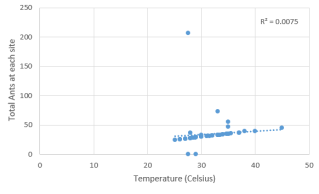


![giphy[1]](https://ecology.home.blog/wp-content/uploads/2018/09/giphy16.gif?w=585&h=330)
![giphy[1]](https://ecology.home.blog/wp-content/uploads/2018/09/giphy11.gif?w=689&h=284)

![giphy[1]](https://ecology.home.blog/wp-content/uploads/2018/09/giphy12.gif?w=640&h=360)
![giphy[1]](https://ecology.home.blog/wp-content/uploads/2018/09/giphy13.gif?w=702&h=283)
 Eccentric Ecology